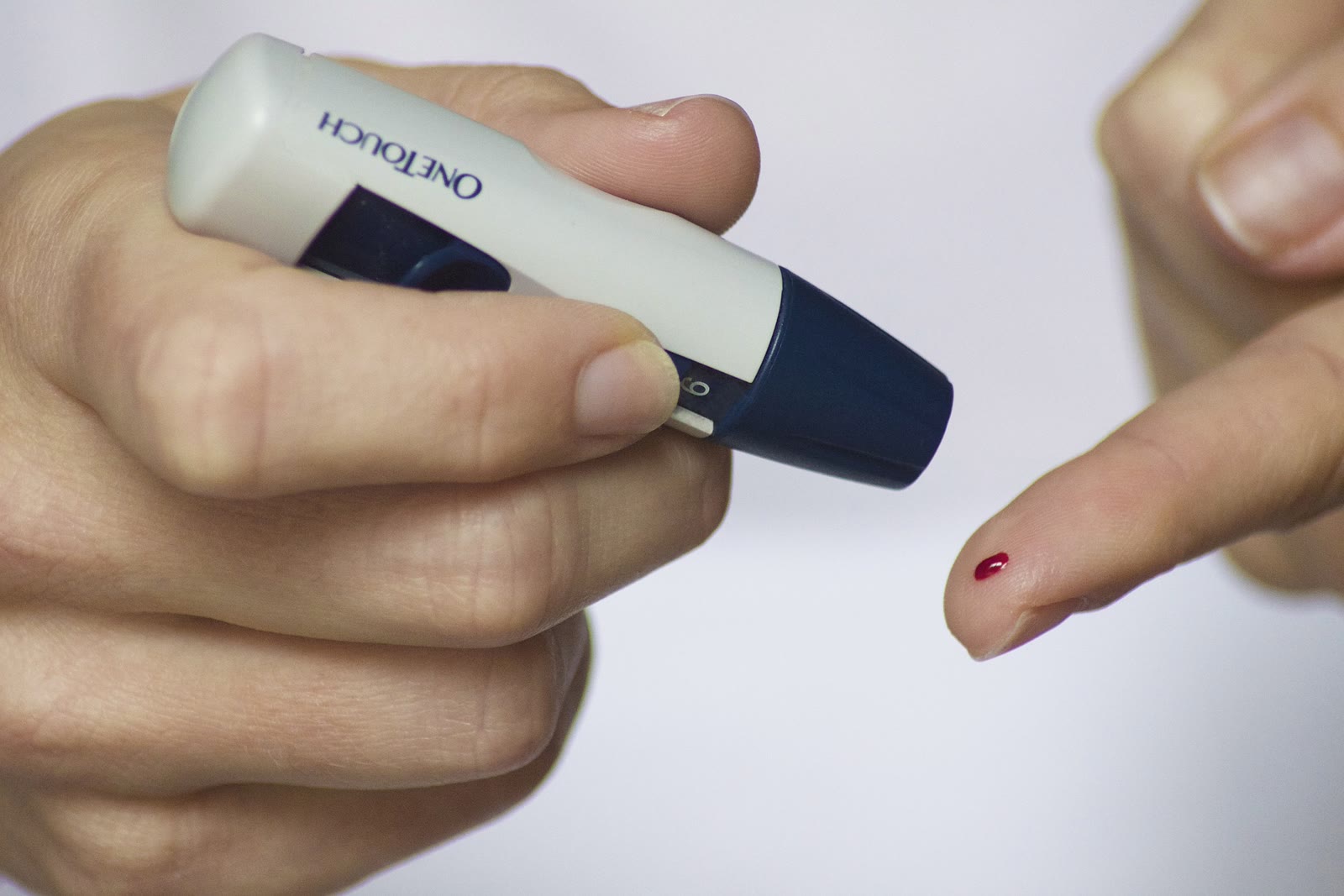
Diabetes Mellitus (DM) refers to a group of diseases that affect how the body uses blood sugar (glucose).
- It is a chronic condition due to impaired production or response to insulin resulting in hyper or hypoglycemia.
- Blood sugar levels fluctuate constantly in the body, increasing following a meal or decreasing following strenuous exercise.
- These fluctuations are regulated by insulin, which is produced by β cells in the pancreas. They are stimulated to produce and release insulin in the bloodstream when blood sugar is high.
- Diabetes is due to the pancreas not producing insulin (Type I) or the body being resistant to insulin (Type II).
Statistics
Diabetes has become a global concern. The United Nations (UN) reported in 2017 that about 11.2 million Nigerians are living with diabetes, 90% of these are type II, and the numbers are increasing in children and teenagers due to the increase in the consumption of processed food, obesity etc.
Risk factors
| Non-modifiable | Modifiable |
|---|---|
| Age | Excess weight, especially around the stomach |
| Genetic predisposition | Lack of exercise |
| Race (African, Hispanic) | Unhealthy eating |
| History of hypertension | Smoking |
Blood sugar levels
| Fasting blood sugar | Level |
|---|---|
| Normal | 72 to 100 mg/dl |
| Prediabetic | 100 to 126 mg/dl |
| Diabetic | Above 126 mg/dl |
Diabetes affects different organs in the body, and a diagnosis of diabetes will result in frequent hospital appointments with different specialties. Below are some eye conditions due to diabetes.
How diabetes affects the eyes
- Cataract: This refers to opacity of the crystalline lens in the eye. It is more prevalent as age increases, but people living with diabetes are 2 to 5 times more likely to develop early cataract. Poor blood sugar control results in early maturation of cataract.
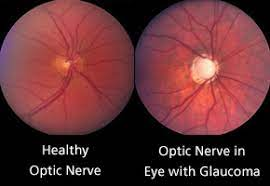
- Increased risk of POAG: Diabetes doubles the risk of developing primary open angle glaucoma.
- Neovascular glaucoma: Diabetes could result in developing neovascular glaucoma.
- Corneal disease: Reduction in corneal innervation, dry eye, photophobia, ocular irritation, pain.
- Change in refraction: Diabetes causes frequent change in refraction. This is due to imbibition of water by the crystalline lens when the blood sugar is high.
- Double vision
- DME (Diabetic Macular Edema): This is accumulation of fluid at the macula, the part of the eye responsible for central vision.
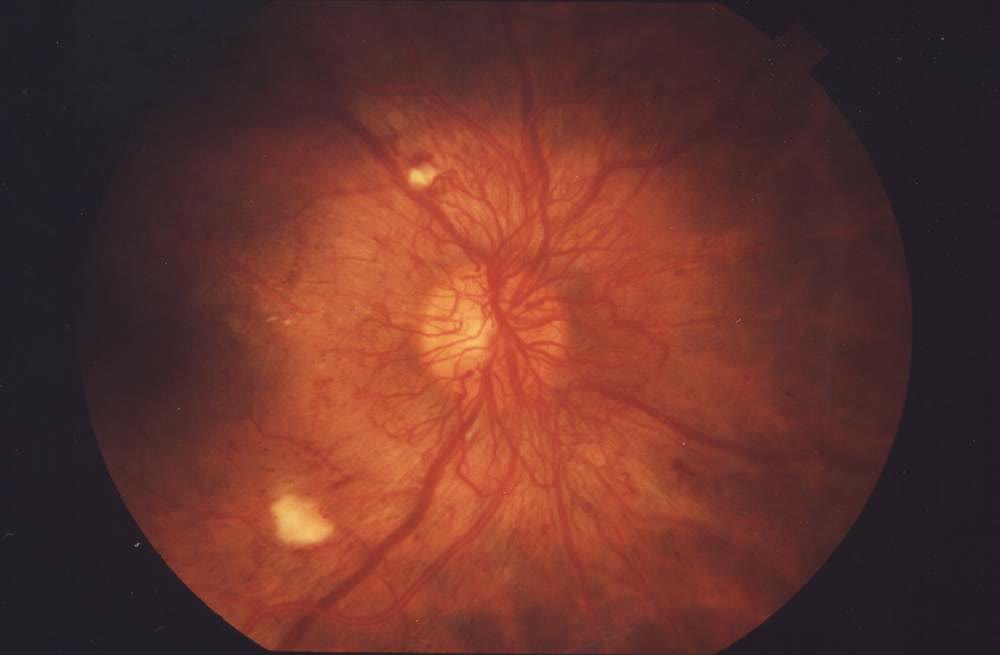
- Diabetic Retinopathy (DR): The leading cause of vision loss in diabetes. DR results in damage to the retina, which is the part that detects light signals and sends these signals to the brain through the optic nerve. It could result in bleeding of the vessels in the retina, which results in poor vision and vision impairment.
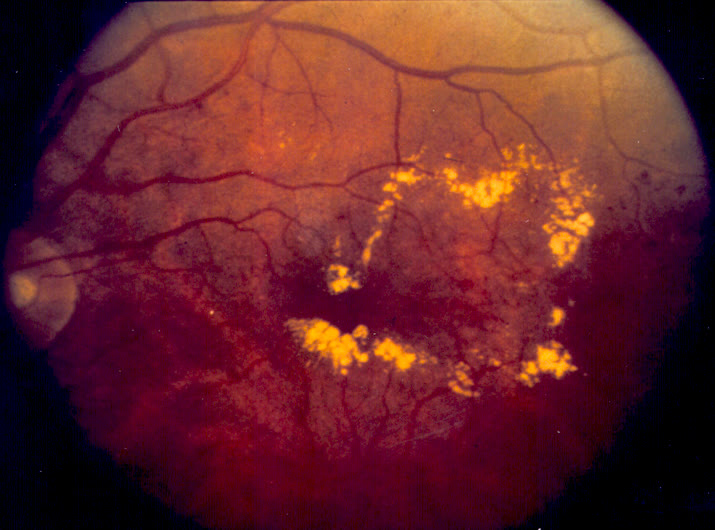
Duration of diabetes is a risk factor and blood sugar control is a major factor in developing DR; however, vision loss to DR is reversible and treatable.
Stages of diabetic retinopathy
- Stage 1: No retinopathy
- Stage 2: Mild non-proliferative
- Stage 3: Moderate non-proliferative
- Stage 4: Severe non-proliferative
- Stage 5: Proliferative
Controlling the risk factors
Modifiable risk factors can be controlled with changes in lifestyle and medications.
- Blood sugar control
- Blood pressure control
- Blood lipid control
- BMI: maintain a normal BMI through physical activity, diet, reducing stress etc.
- Quit smoking

Management
The management of all eye conditions as a result of diabetes is majorly hinged on maintaining a normal blood sugar level.
- Blood sugar control
- Routine eye examination
- Annual dilated eye exam
- Injections: anti-VEGF injections for diabetic retinopathy
- Surgery for cataract
- Medications for POAG
- Laser treatment for diabetic retinopathy

Note: The diagnosis of diabetes is not a death sentence but a wake-up call to a healthier lifestyle. We are committed to your total eye health at Beracca Eye Clinic.
Book an eye examination
Our optometrists are happy to check your eyes and answer your questions. Call any of our clinics:
Lekki (Oniru): 07039850635, 09046456756
Ikeja: 09030131596, 09119112765
Port Harcourt: 08136915301, 08065200853